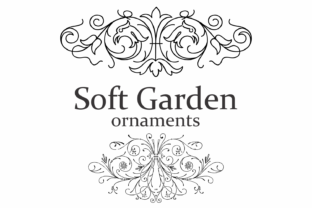
Soft Garden: Crafting Visual Harmony with Ornamental Typography
In a digital landscape saturated with sharp edges and rigid structures, the Soft Garden collection offers a refreshing departure. This unique set of ornaments, presented in a versatile font format, provides designers with a powerful tool to inject organic fluidity, delicate detail, and a sense of curated elegance into their work. It’s more than just a decorative asset; it’s a system for building sophisticated visual narratives.
The Essence of Soft Garden in Modern Design
At its core, Soft Garden addresses a fundamental need in graphic design: the balance between structure and softness. In an era where brand identity must resonate emotionally, and user experience (UX) prioritizes comfort and approachability, these gentle, nature-inspired ornaments become invaluable. They allow creators to move beyond basic geometric shapes and standard icons, offering a visual language that feels both contemporary and timeless. This collection is a prime example of how thoughtful typography and ornamentation can elevate a project from merely functional to truly memorable.
Practical Applications Across Creative Projects
The true strength of a resource like Soft Garden lies in its adaptability. Its font-based format means it integrates seamlessly into standard design workflows, making it as easy to use as any typeface. Consider its impact across various domains:
- Branding and Logo Design: Incorporate subtle floral dividers, leafy borders, or delicate frames to add a layer of sophistication to a brand mark or stationery system. It helps in crafting a unique visual identity that feels handcrafted and premium.
- Marketing & Social Media Graphics: Break the monotony of standard layouts. Use Soft Garden elements as background textures, section dividers in brochures, or accent points in social media posts to capture attention and enhance visual hierarchy.
- Editorial and Web Design: In book design, magazines, or website layouts, these ornaments can beautifully frame pull quotes, introduce new sections, or add a touch of elegance to headers and footers, improving the overall reading experience.
- Packaging and Merchandise: Transform physical products. Adorn boxes, labels, or tote bags with intricate patterns or standalone motifs that communicate quality, care, and a connection to nature or artisanal craft.
- Presentations and Digital Products: Move beyond clip art. Use these scalable ornaments to create professional, cohesive presentations or to add decorative value to digital planners, invitations, and other downloadable assets.
Integrating Ornamental Assets with Design Intelligence
Simply having a beautiful asset is not enough; effective implementation is key. When working with a collection like Soft Garden, keep these design principles in mind to ensure a polished result:
- Maintain Consistency: Select a limited palette of ornaments from the set to use throughout a project. Consistency in style strengthens brand cohesion and prevents the design from feeling cluttered or disjointed.
- Prioritize Readability: Ornaments should enhance, not overwhelm. Ensure they serve as a supporting visual element to your primary content, whether that's body copy, a headline, or a call-to-action button. Proper visual hierarchy is crucial.
- Consider Scale and Context: A delicate, small-scale ornament that works perfectly on a business card might get lost on a large-format poster. Evaluate how the elements perform at different sizes and in various applications, from print design to mobile UI.
- Align with Brand Aesthetics: The soft, botanical style of Soft Garden pairs exceptionally well with certain color palettes—think muted earth tones, soft pastels, or rich jewel tones. Ensure your chosen ornaments complement your existing typography and color scheme.
Ultimately, the tools a designer chooses define the boundaries of their creative expression. Thoughtfully curated assets like the Soft Garden ornament font do more than decorate; they communicate. They infuse projects with a specific mood, tell a story without words, and bridge the gap between simple layout and compelling visual communication. By selecting and using such resources with intention, designers and creators can significantly enhance both the aesthetic appeal and the communicative power of their work, ensuring every project leaves a lasting, professional impression.