Tracing Box: A Typographic Tool for Foundational Learning
In the world of graphic design, the most impactful solutions are often those that solve a fundamental problem with elegant simplicity. Tracing Box is a prime example, offering a unique font system specifically engineered to aid children in learning word spellings through a structured, visual approach. This innovative typeface moves beyond mere aesthetics, providing a practical tool for educators, parents, and designers focused on creating effective early-learning materials.
Understanding the Tracing Box Font System
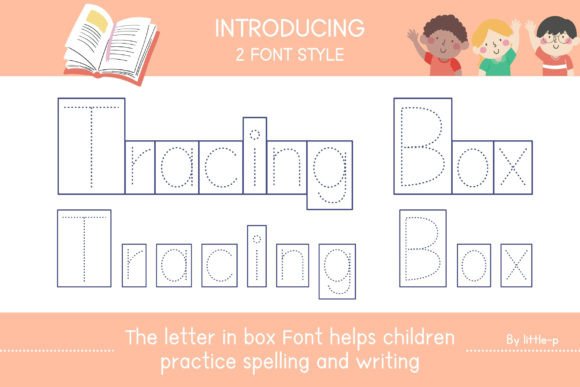
Tracing Box is more than a single font; it's a pedagogical toolkit rendered in typography. It consists of two distinct styles, each serving a specific purpose in the learning journey:
- Tracing Box Regular: This style features letters cleanly placed within individual squares or boxes. The enclosed space provides a clear boundary for young learners, helping them understand letter proportion and spatial relationships on a page.
- Tracing Box Space: This variant introduces a deliberate gap or space between the letter and the box edge. This subtle design shift encourages children to focus on the letter's form itself, transitioning from guided tracing to more independent writing.
The core design philosophy leverages visual hierarchy and structure to create a scaffolded learning experience. The boxes act as intuitive guides, transforming abstract letterforms into manageable, traceable shapes. This approach is grounded in kinesthetic learning, where the physical act of tracing reinforces memory and muscle memory for spelling.
Practical Applications in Design and Education
While its primary audience is educational, the applications of a well-designed, purpose-driven font like Tracing Box extend into various creative projects. Its clean, structured aesthetic makes it a valuable asset for specific design contexts.
Educational and Learning Materials
This is the font's native environment. It is ideal for creating engaging worksheets, flashcards, alphabet posters, and interactive learning apps for kindergartens, elementary schools, and home school settings. The design directly supports curriculum goals for literacy and fine motor skill development.
Branding and Identity for Educational Services
For businesses in the education sector—tutoring centers, children's book publishers, or educational toy companies—Tracing Box can inform a brand identity that communicates clarity, support, and a child-centric approach. It can be used in logos, mascots, and marketing materials to visually convey the brand's mission.
Digital Product and UI Design
In UI design for educational software or children's games, Tracing Box can be used for interactive elements where users trace letters on a touchscreen. Its built-in structure ensures readability and user engagement, enhancing the overall user experience (UX).
Packaging and Merchandise
Products aimed at young learners, from pencil sets to notebooks, can benefit from typography that aligns with their purpose. Using Tracing Box on packaging design creates immediate visual recognition and communicates the product's educational value.
Integrating Purpose-Driven Typography into Your Workflow
Selecting the right typeface is a critical design workflow decision. When evaluating a resource like Tracing Box, consider its alignment with your project's core objectives:
- Audience and Goal Clarity: Is your primary goal aesthetic appeal, or is it functional communication? For learning aids, function must lead form. Tracing Box excels where the goal is skill acquisition.
- Consistency and System Compatibility: A single font does not make a design system. Consider how Tracing Box pairs with a complementary, more expressive font for headings or body text to create a complete visual design language.
- Scalability and Application: Test the font at various sizes. Its strength lies in larger display sizes where the tracing guides are clear. For small body text, a standard, highly legible sans-serif would be more appropriate.
Thoughtful typography is the backbone of effective visual communication. Choosing a typeface like Tracing Box is not merely a stylistic preference but a strategic decision that can directly influence learning outcomes and user engagement. By investing in high-quality, purpose-built creative assets, designers and educators can create materials that are not only visually cohesive but also profoundly functional, elevating both the aesthetic quality and the communicative power of their projects.